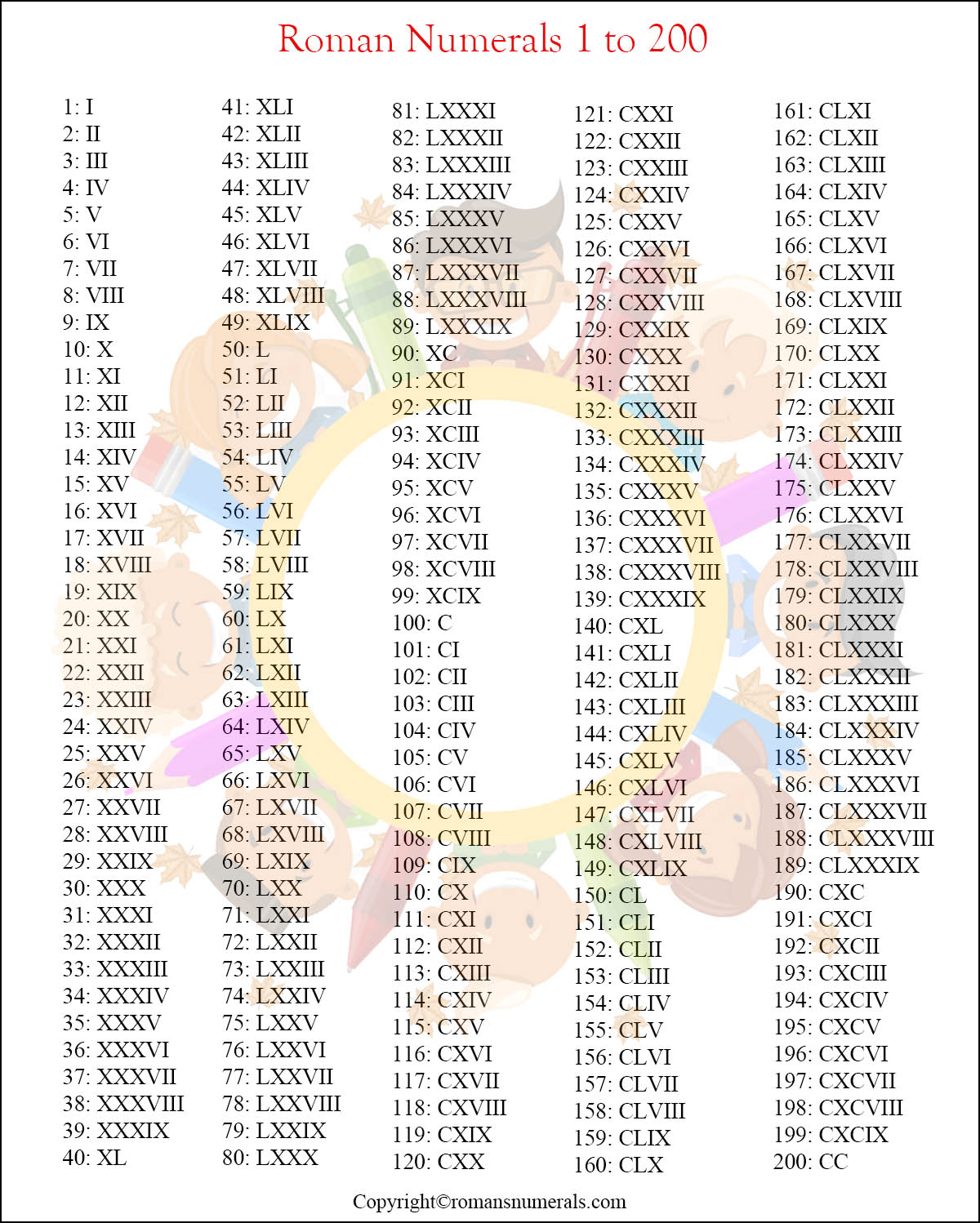
When I was working on a historical project involving ancient Roman texts, I stumbled upon a challenge: converting numbers into Roman numerals. One specific number caught my attention: 122. In Roman numerals, this is written as XCII. This led me to explore the intricacies of Roman numeral conversions.
Understanding Roman Numerals
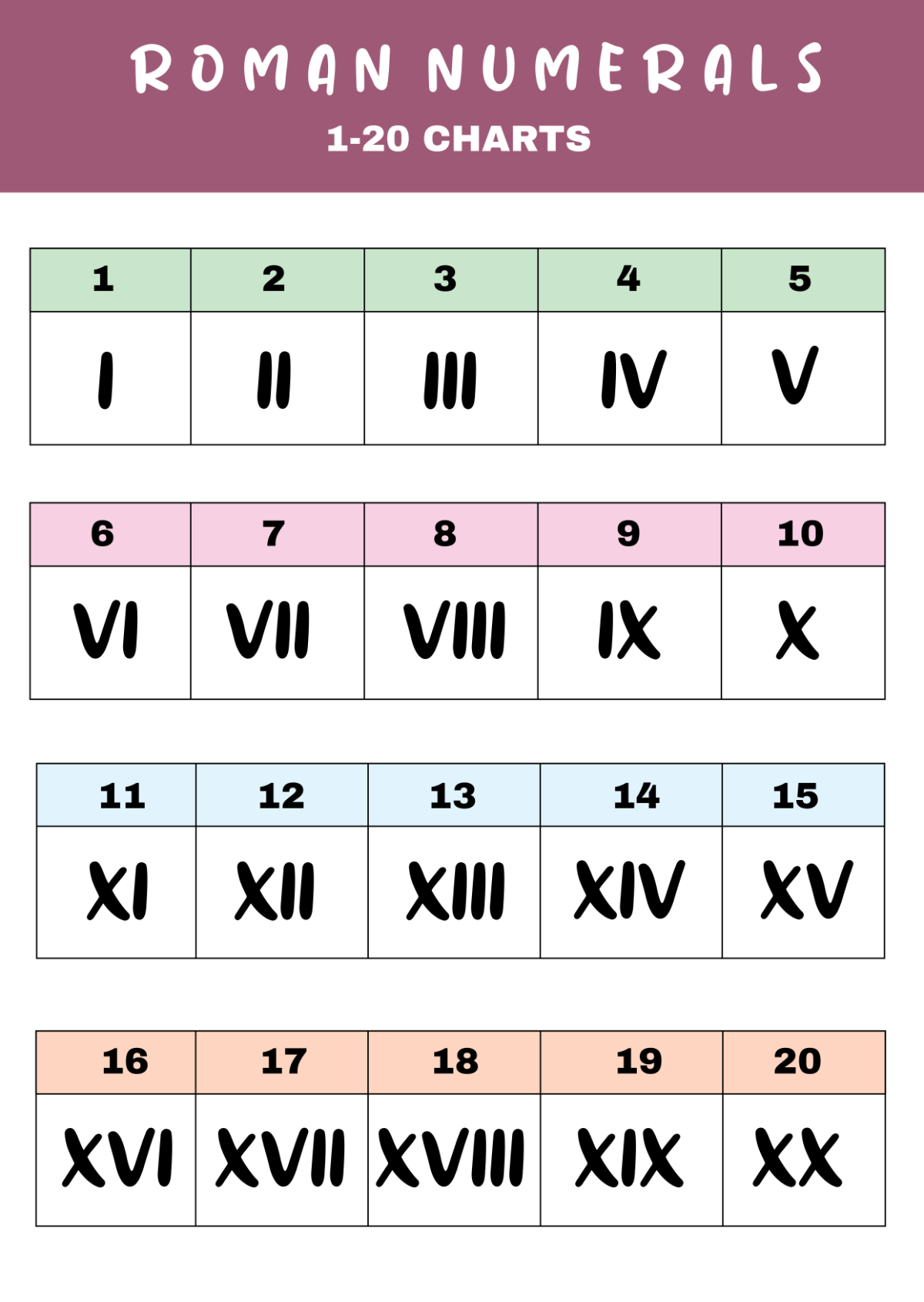
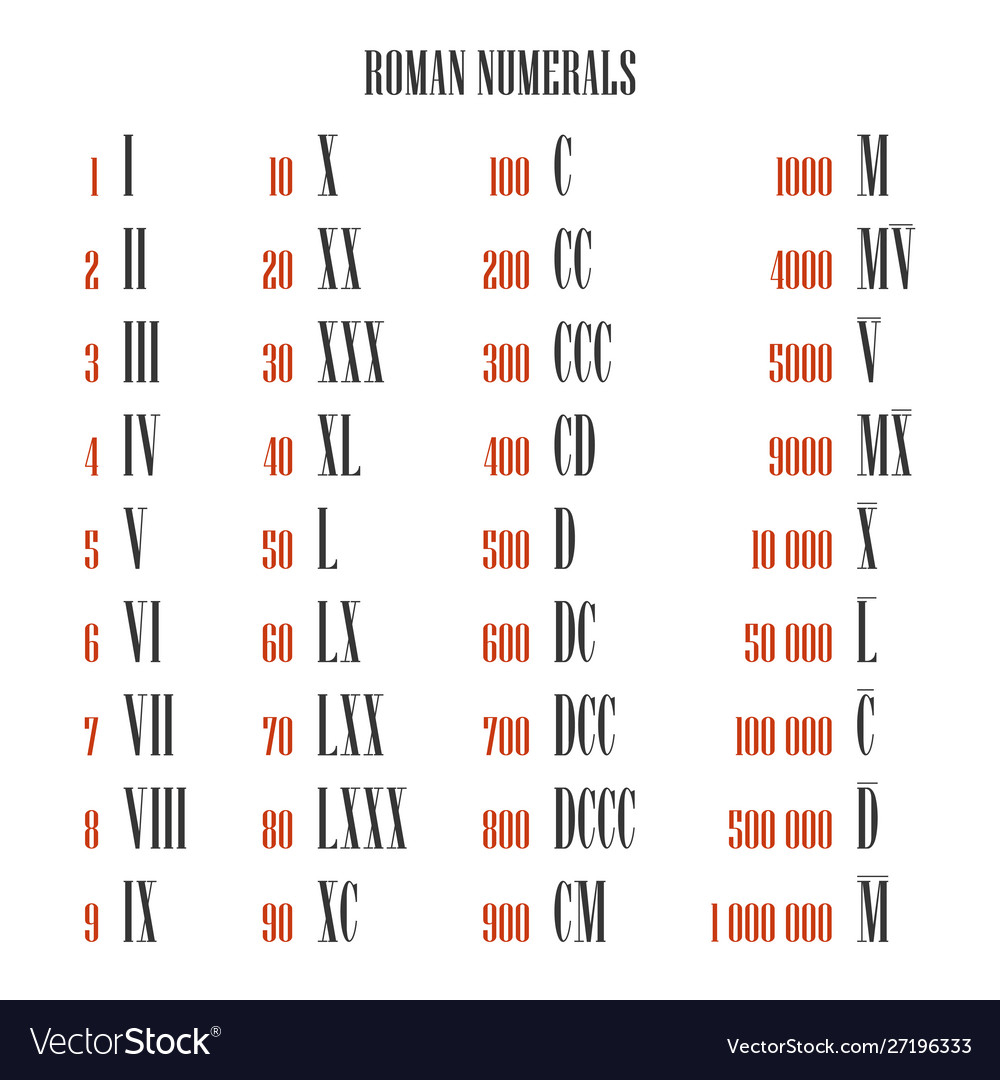
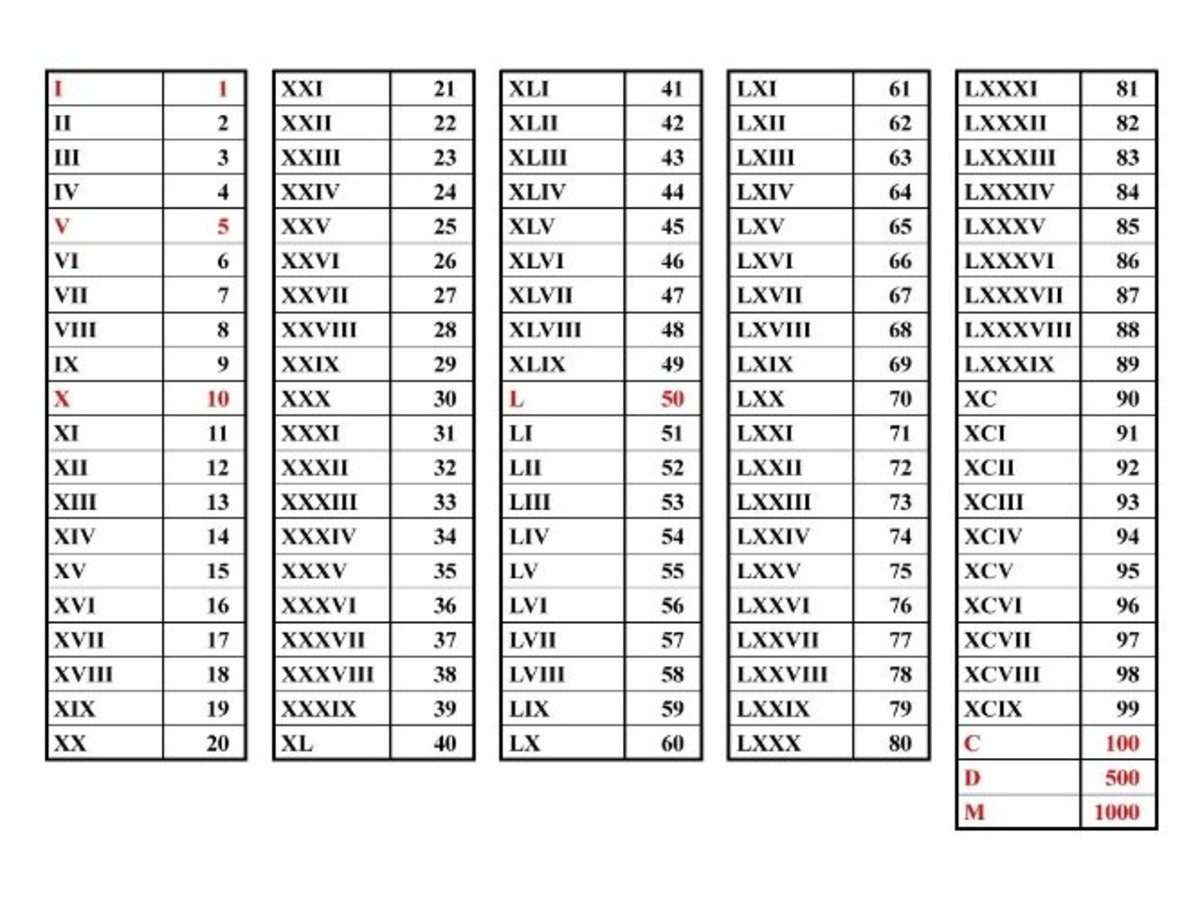
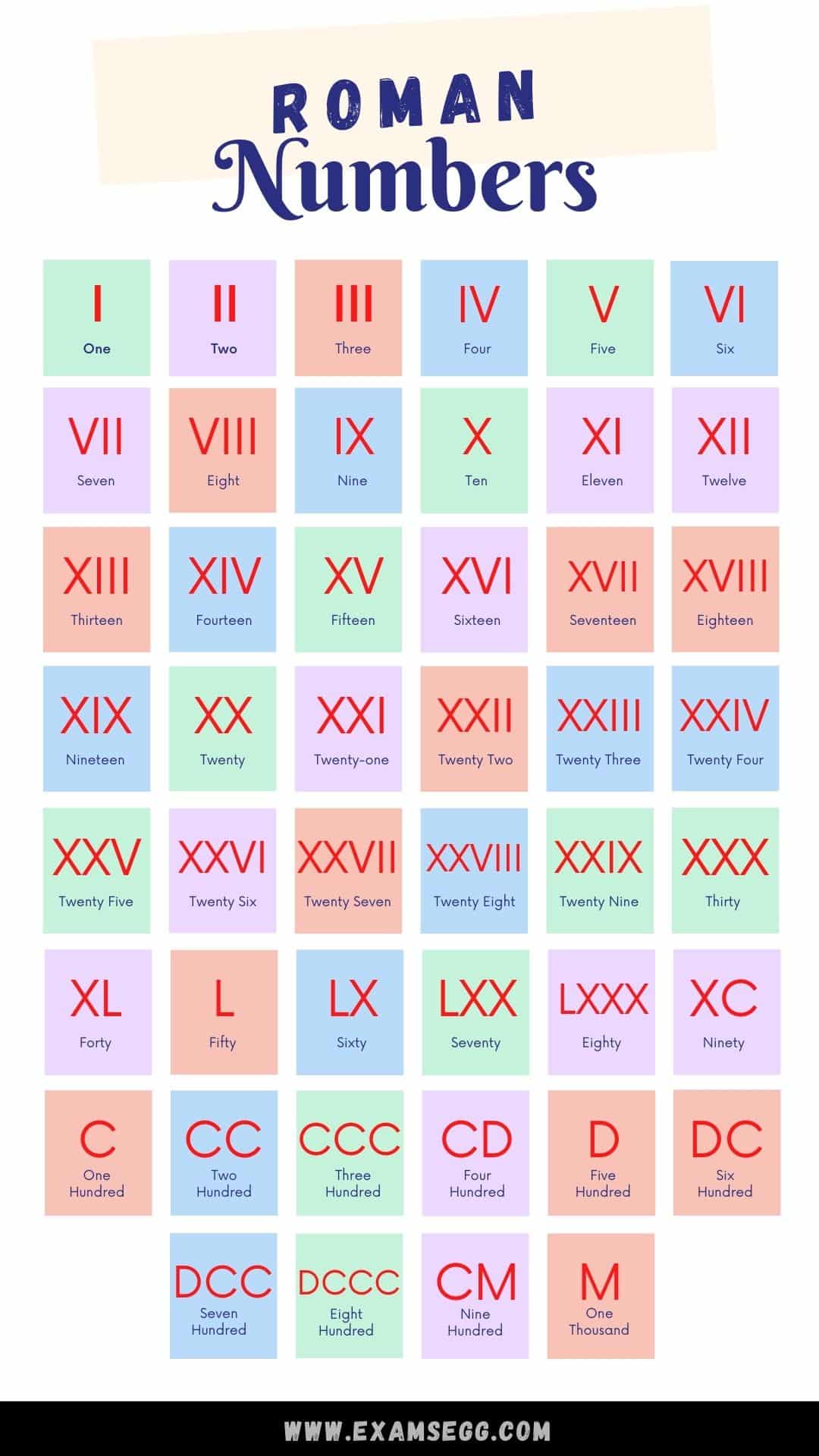
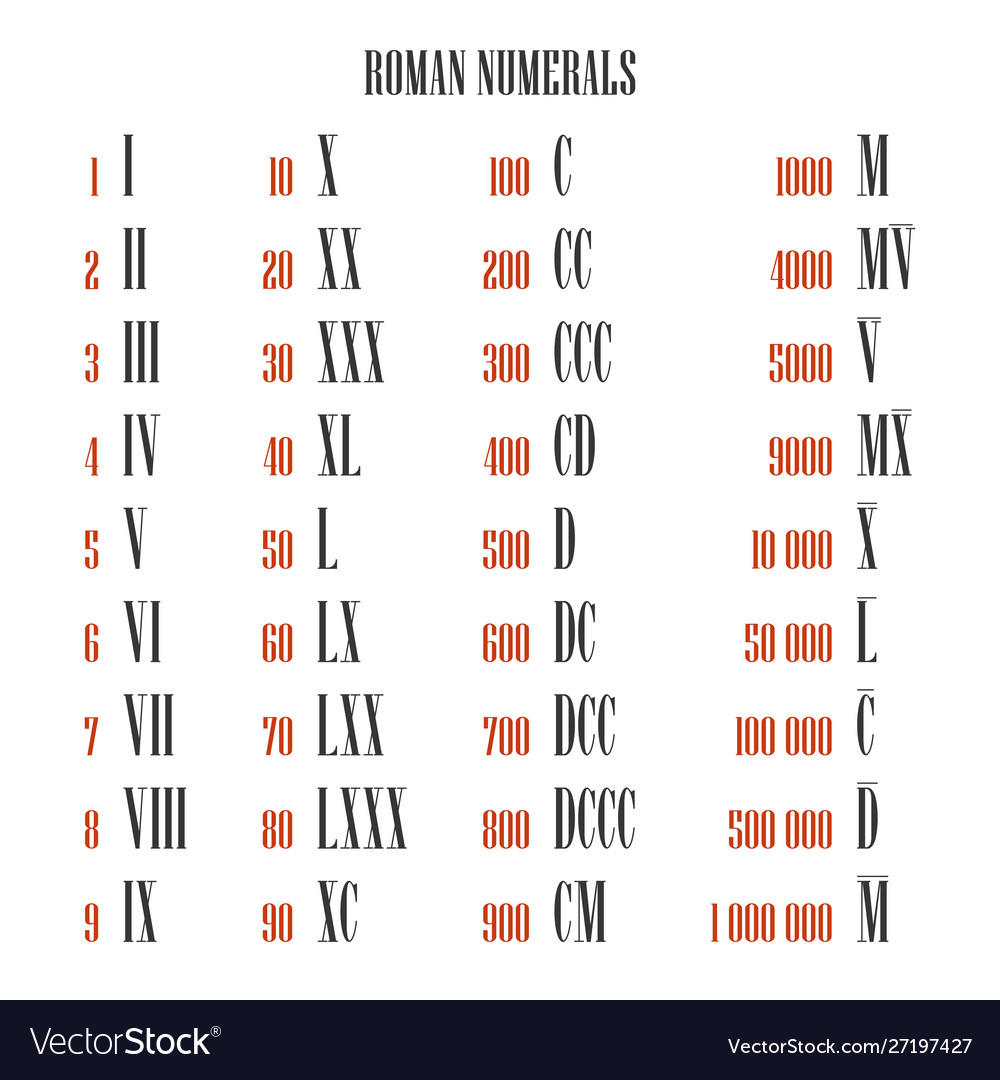
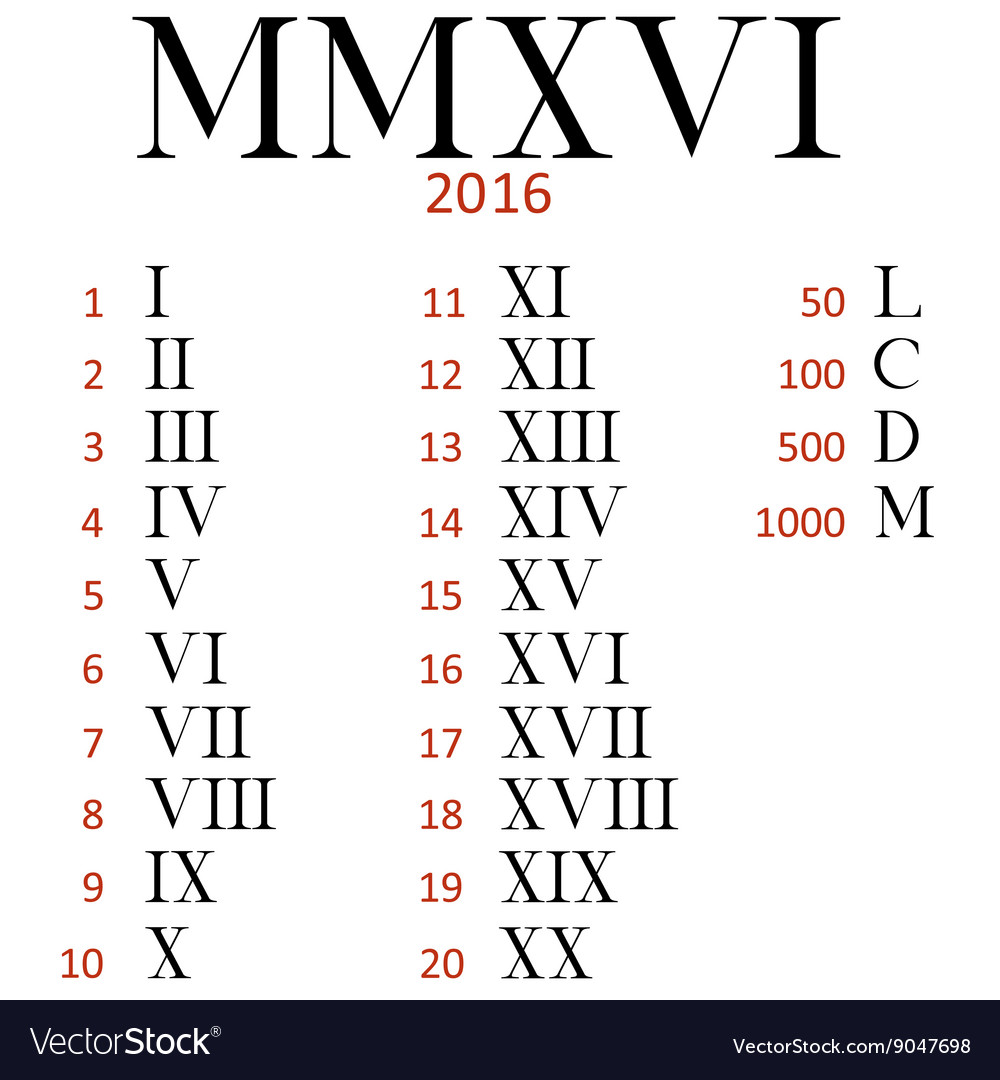
Roman numerals use letters from the Latin alphabet to represent numbers. The basic symbols are I (1), V (5), X (10), L (50), C (100), D (500), and M (1000). To form larger numbers, these symbols are combined according to specific rules. For example, XCII is formed by combining XC (90) and II (2).
Converting Numbers to Roman Numerals
Converting a number to Roman numerals involves breaking down the number into its constituent parts based on the values of the Roman numeral symbols. Here’s a step-by-step process:
- Break the number into thousands, hundreds, tens, and units.
- Convert each part into Roman numerals.
- Combine the results.
For 122, we break it down as follows:
- 100 + 20 + 2
- C + XX + II
- XCII
Common Mistakes to Avoid
A common mistake is forgetting the subtraction rule. For instance, 4 is IV, not IIII. Similarly, 9 is IX, not VIIII. Always remember that symbols can only be repeated up to three times consecutively.
Note: Always double-check your conversions to ensure accuracy.
Practical Steps for Conversion
To convert 122 to Roman numerals, follow these steps:
- Identify the largest Roman numeral symbol less than or equal to 122, which is C (100).
- Subtract 100 from 122, leaving 22.
- The largest Roman numeral for 22 is XX (20).
- Subtract 20 from 22, leaving 2.
- The largest Roman numeral for 2 is II.
- Combine the results: CXXII.
Insights and Tips
While converting numbers to Roman numerals might seem straightforward, it requires careful attention to detail. Understanding the rules and practicing with different numbers will help solidify your knowledge.
For a more advanced challenge, try converting 1999 to Roman numerals. It’s a great exercise to test your understanding of the subtraction principle and the placement of symbols.
By mastering Roman numeral conversions, you’ll enhance your appreciation for historical texts and gain a deeper understanding of numerical systems. Whether you’re a student, a historian, or simply someone interested in ancient cultures, knowing how to read and write Roman numerals is a valuable skill.