400 Divided By 12: A Simple Math Problem with Unexpected Insights
One day, while working on a project, I stumbled upon a simple math problem: 400 divided by 12. At first glance, it seemed straightforward, but as I delved deeper, I realized there was more to this seemingly basic calculation than met the eye.
Misunderstanding the Basics
I initially thought the answer would be a clean, round number. After all, dividing even numbers usually results in a neat quotient. However, the actual result was 33.333333333333336, which is far from what I expected. This small mathematical hiccup opened my eyes to the intricacies of division and the importance of understanding the underlying principles.
Understanding the Result
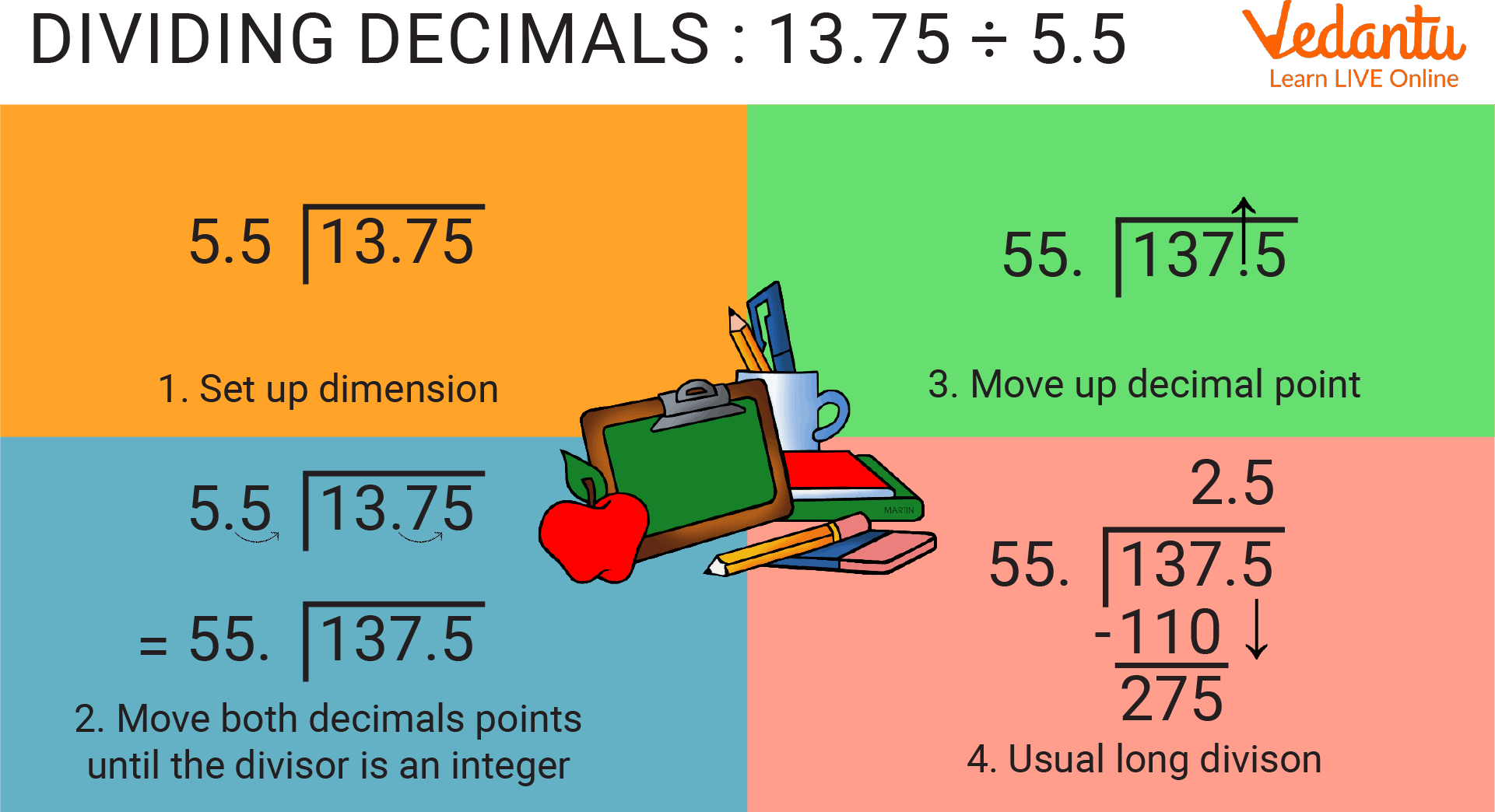
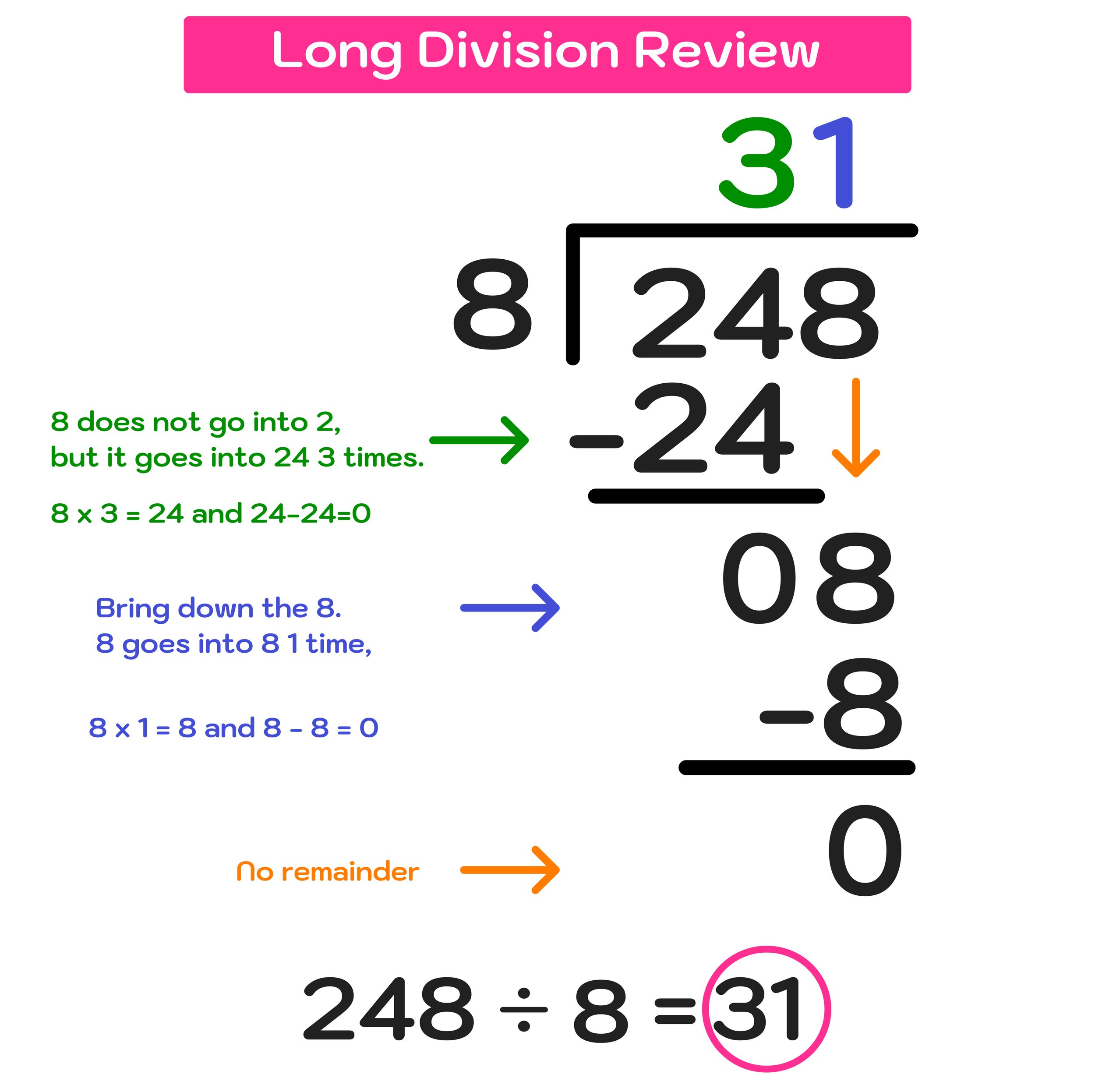
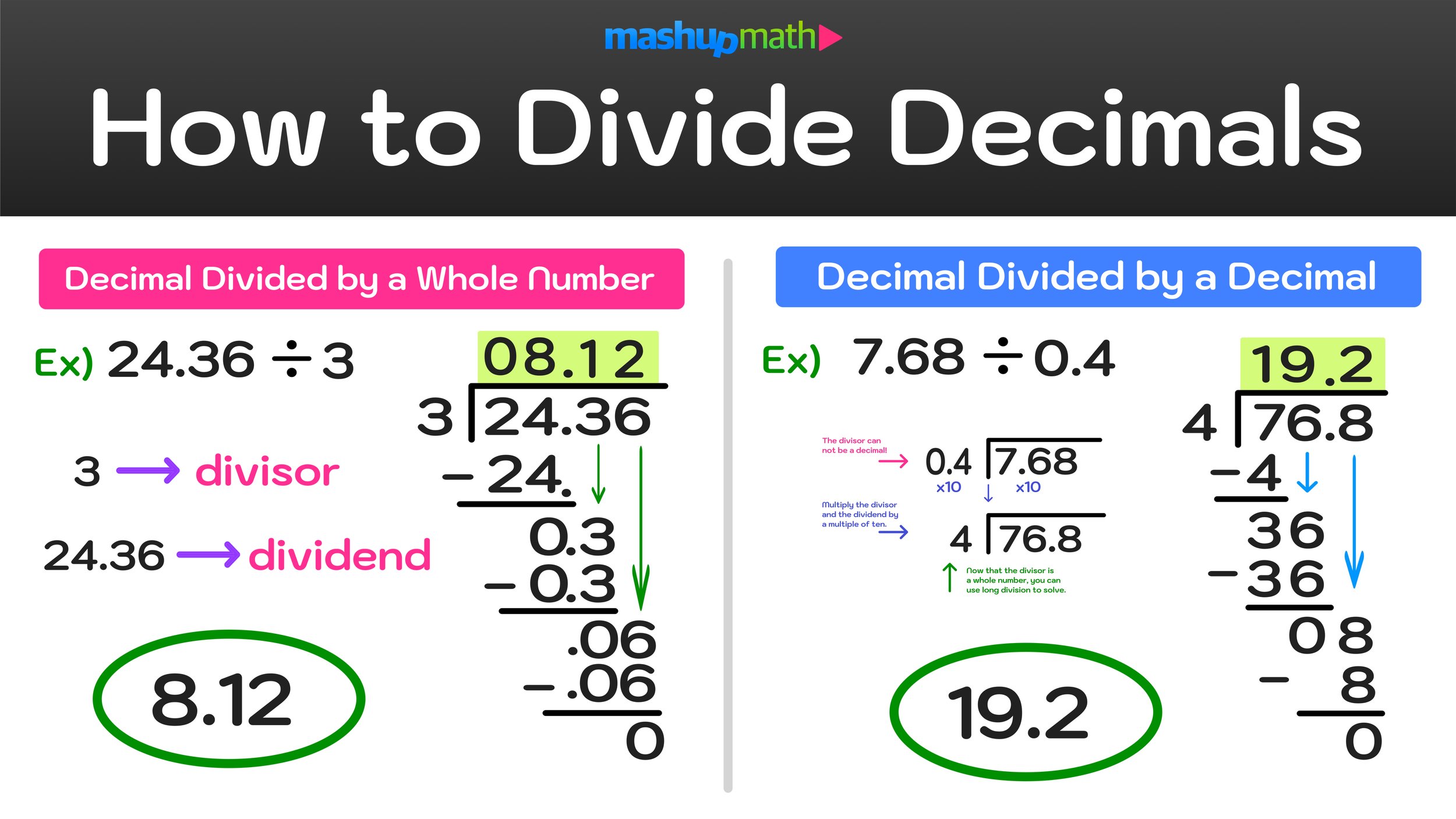
When I calculated 400 divided by 12, I got 33 with a remainder of 4. In decimal form, this is represented as 33.333333333333336. This unexpected result made me think about how we handle remainders in different contexts, whether in finance, science, or everyday life.
The Real-World Implications
This simple math problem has broader implications. For instance, in budgeting, if you have 400 to allocate among 12 categories, each category would get 33, with some leftover. This leftover amount might need to be redistributed or saved, depending on your financial goals.
In programming, this division can affect how resources are allocated. If you have 400 units of a resource and need to distribute them evenly across 12 processes, the extra units can lead to inefficiencies or require additional logic to handle the remainder.
Practical Steps to Handle Remainders
To manage remainders effectively, consider these steps:
- Round up or down based on the specific requirements of your task.
- Distribute the remainder evenly among the categories or processes.
- Save the remainder for future allocation or use.
Lessons Learned
This experience taught me the importance of precision in calculations and the need to consider the context in which the results will be applied. It also highlighted the value of understanding the underlying mechanisms of operations, even when dealing with seemingly simple problems.
By taking the time to understand why 400 divided by 12 results in 33.333333333333336, I gained a deeper appreciation for the complexities of mathematics and their real-world applications.
Next time you encounter a similar problem, take a moment to explore the nuances and think about the implications of the results. It might just provide you with valuable insights!
Related Terms:
- 400 divided by 12 equals
- 2 400 divided by 12
- 10 400 divided by 12
- 86 400 divided by 12
- 23 400 divided by 12
- 400 divided by 12 .5