Imagine you're a teacher trying to explain division to a group of young students. One of them asks, "Miss, why is 60 divided by 10 equal to 6?" This isn't just a simple math problem; it's a gateway to understanding fractions, decimals, and even more complex mathematical concepts. In this post, I'll break down the process of dividing 60 by 10, explore its significance, and share some practical applications.
Understanding Division
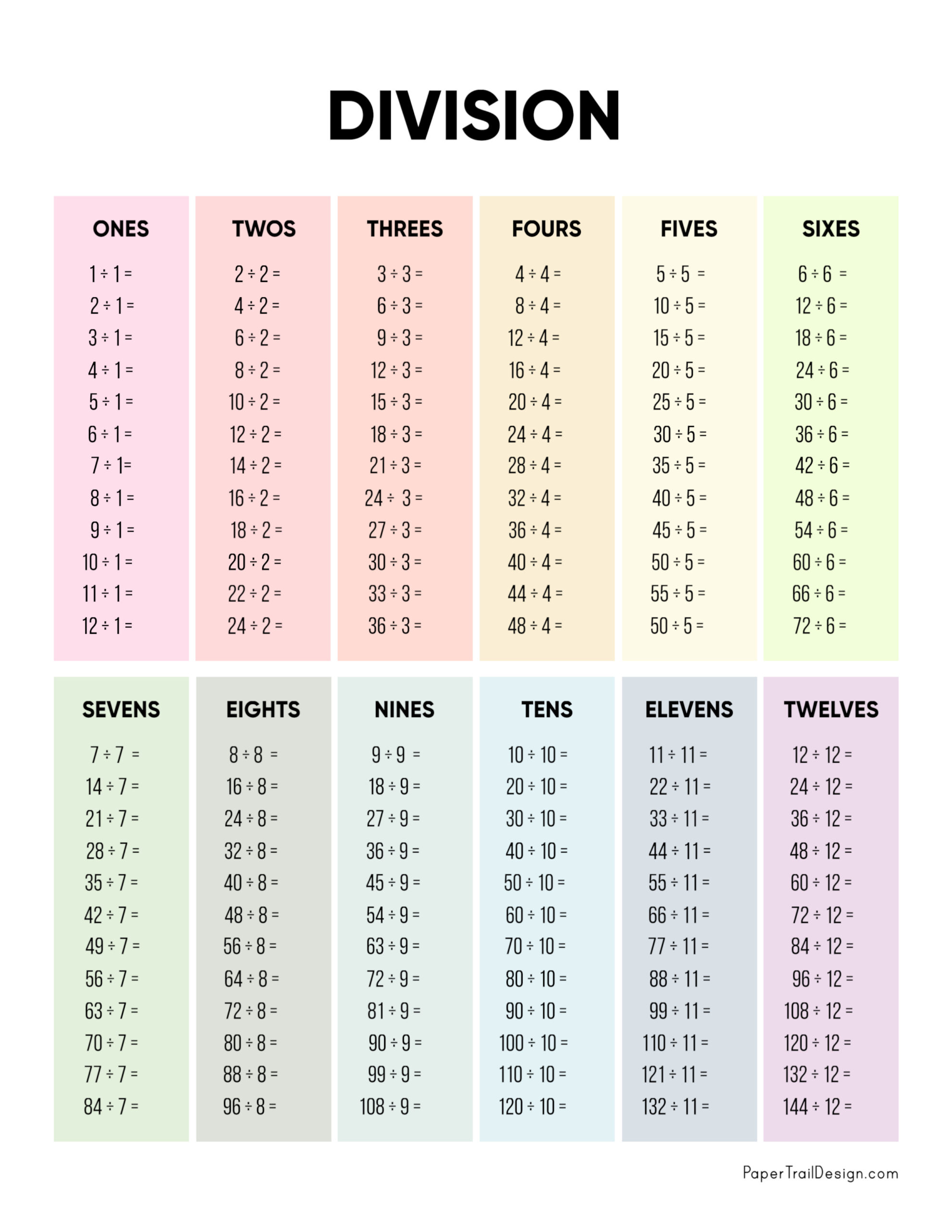
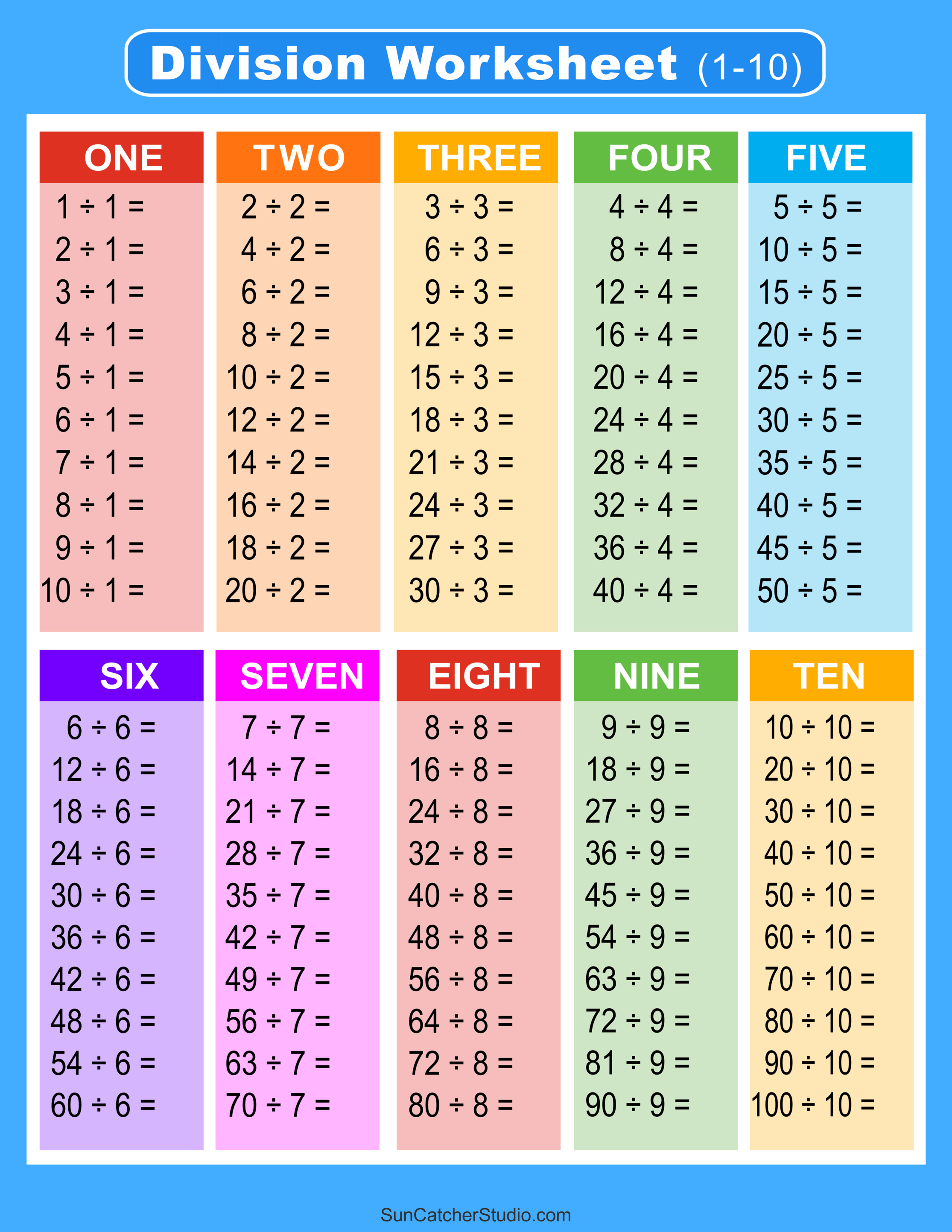
Division is one of the four basic operations in mathematics, alongside addition, subtraction, and multiplication. When we divide 60 by 10, we're essentially asking how many groups of 10 can be made from 60. The answer, 6, represents the number of such groups. This concept is fundamental in various fields, including finance, engineering, and data analysis.
Breaking Down the Calculation
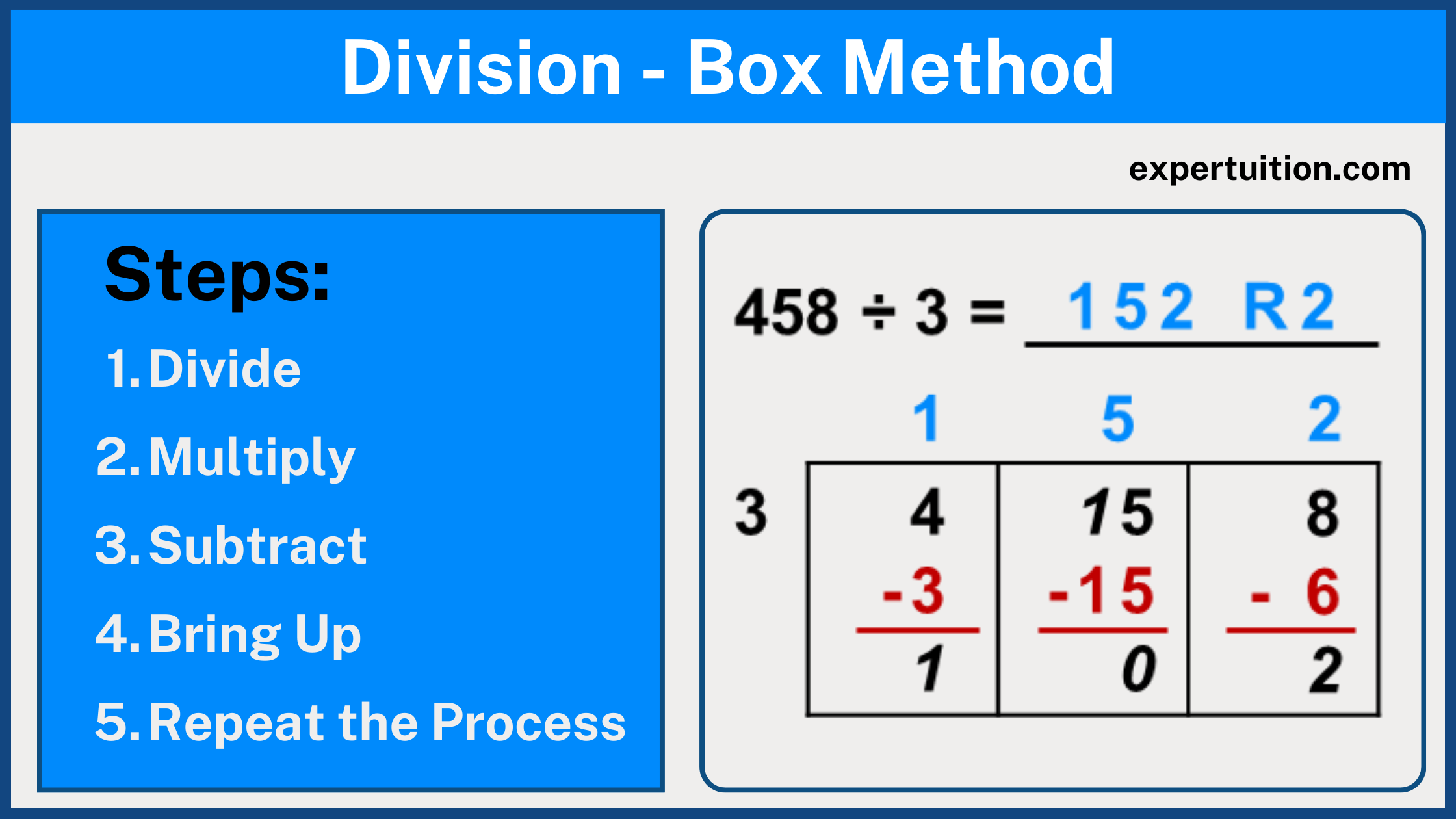
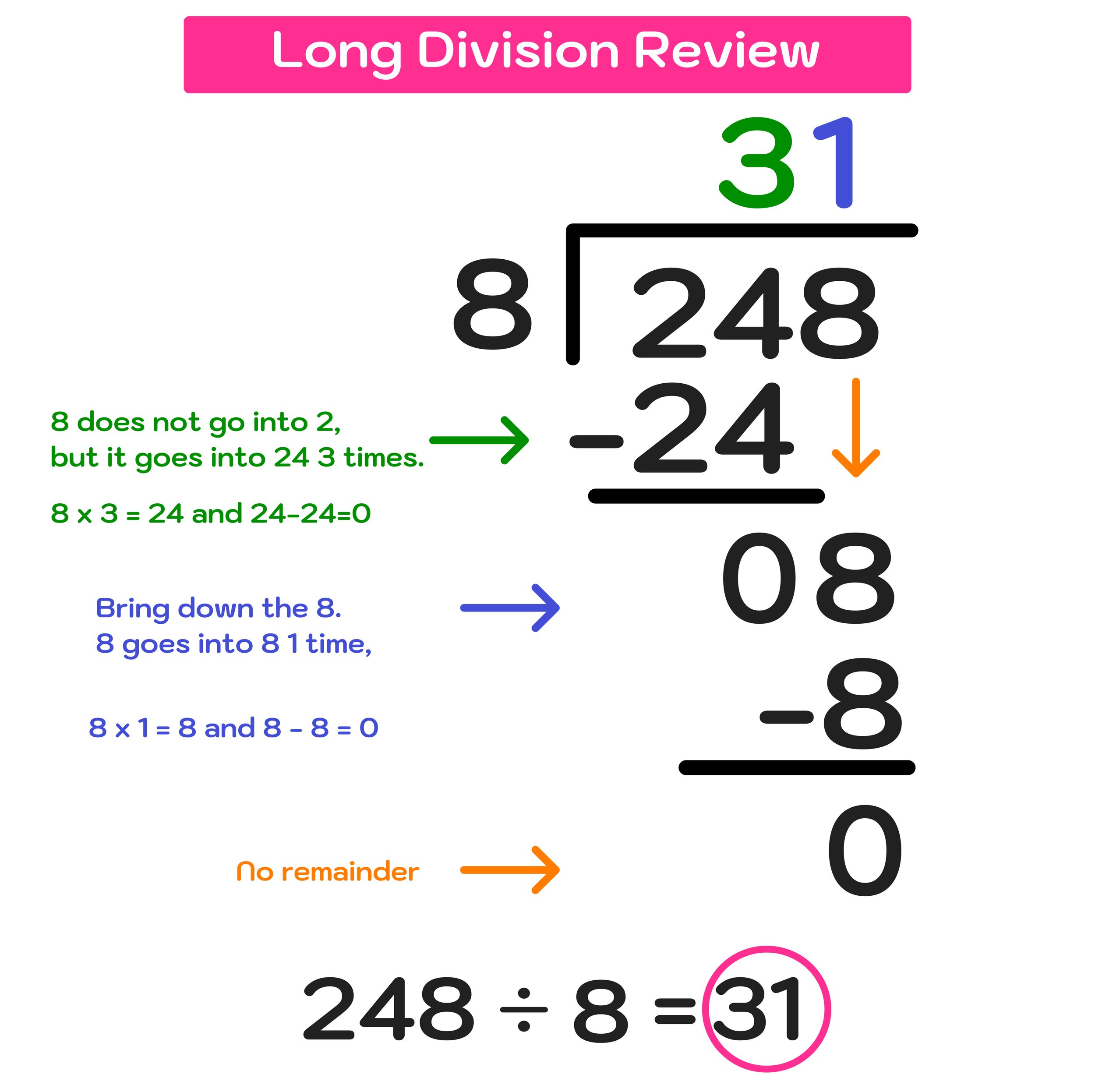
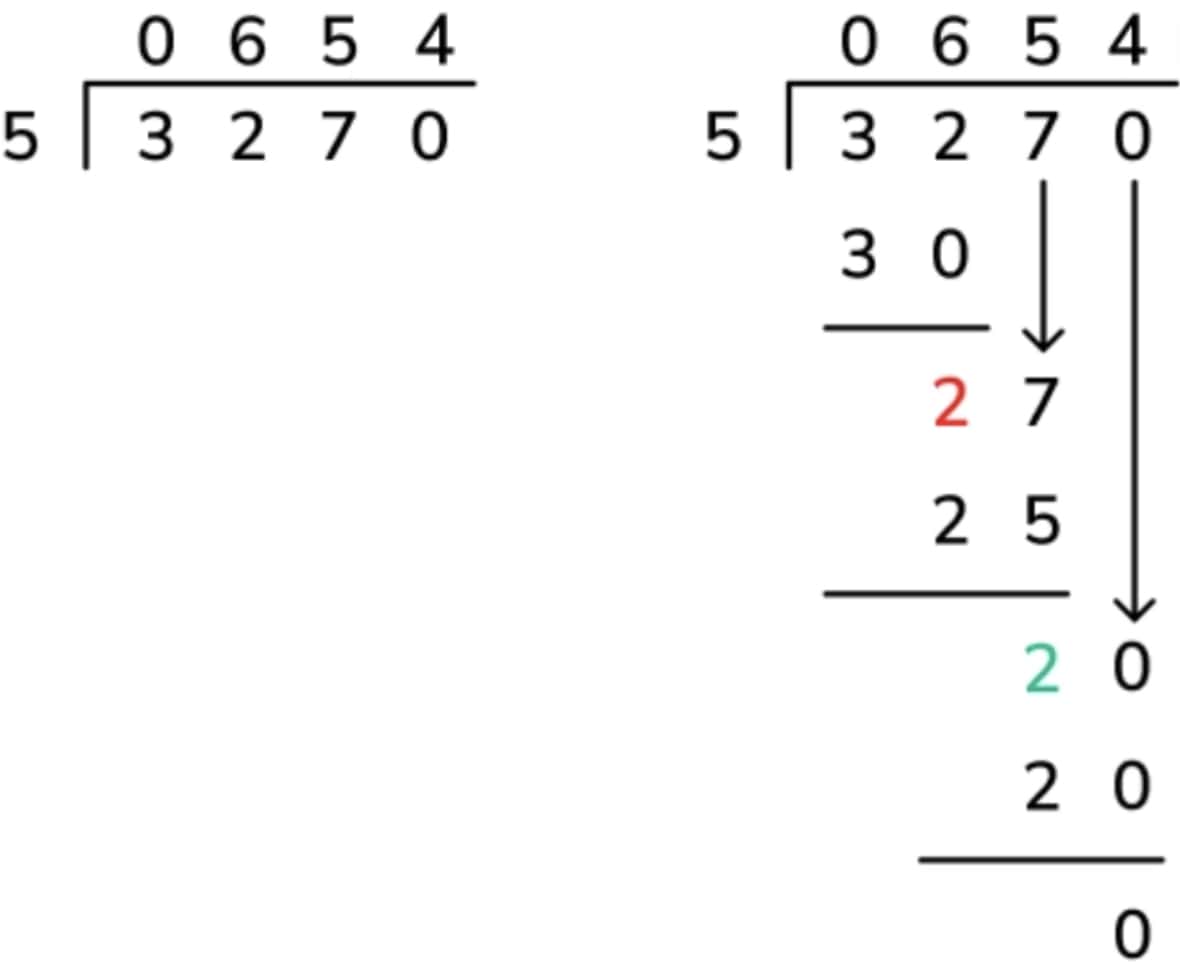
To perform the division, you can use long division or simply recognize that 60 is 6 times 10. Here’s the step-by-step process:
- Write 60 under the division bar and 10 outside.
- Divide 60 by 10, which equals 6.
- Place the 6 above the division bar, directly above the 0 in 60.
The result is 6, confirming that 60 divided by 10 equals 6. This simple calculation demonstrates the relationship between numbers and their factors, a crucial skill in higher-level mathematics.
Practical Applications
Dividing 60 by 10 might seem trivial, but it has numerous real-world applications. For instance, in financial management, dividing revenue by 10 can help estimate monthly income. In engineering, scaling down measurements by 10 can simplify designs and calculations.
Consider a scenario where you have a budget of $60 and need to allocate it equally among 10 projects. Knowing that each project would receive $6 makes planning much easier. Similarly, in data analysis, dividing a large dataset by 10 can provide insights into trends and patterns.
Common Mistakes to Avoid
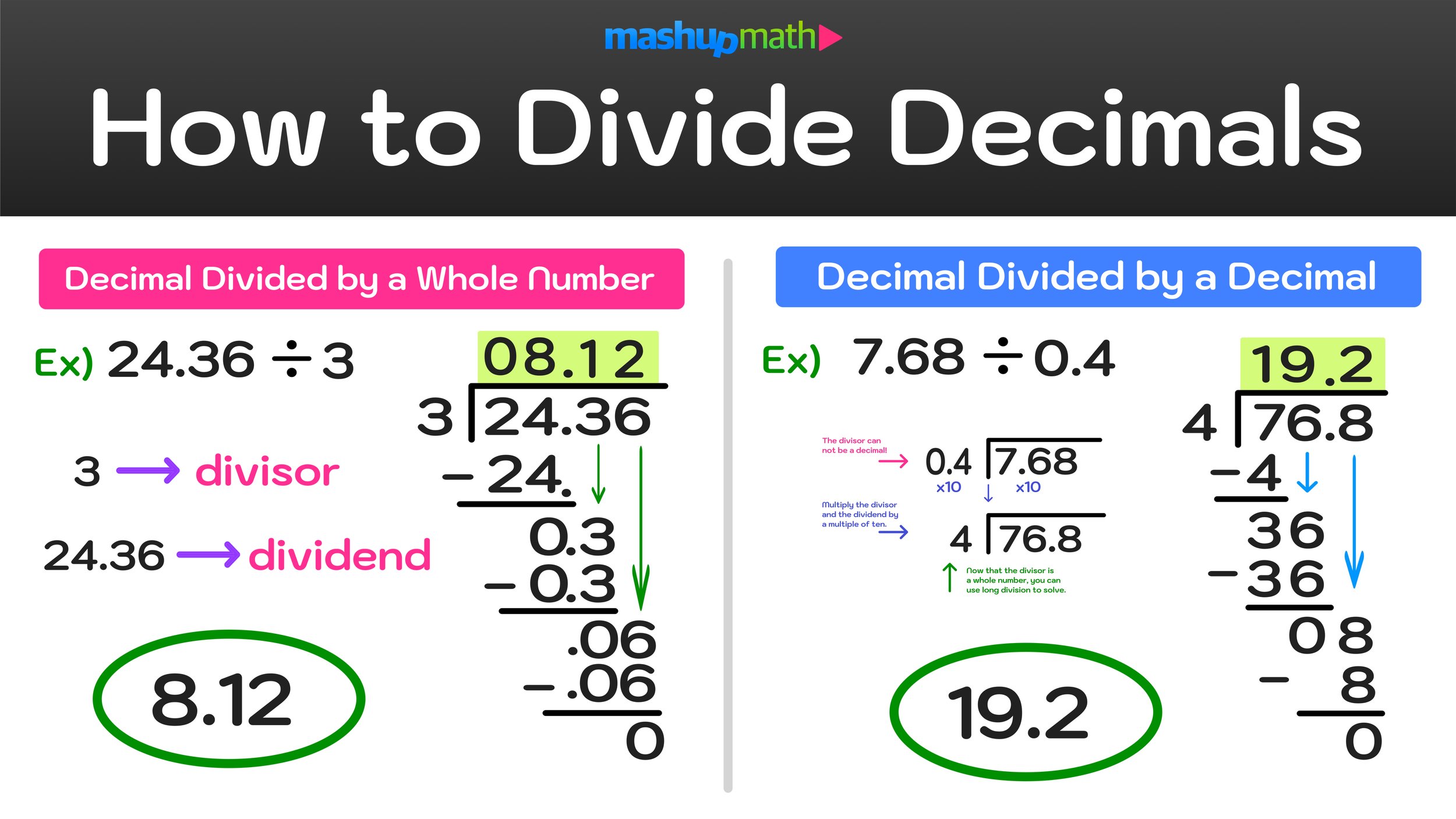
A common mistake is forgetting to place the decimal point correctly, especially when dealing with larger numbers. For example, if you were to divide 600 by 10, the correct answer is 60, not 6. Always double-check your placement of the decimal point to avoid errors.
Note: Remember, the key to mastering division lies in consistent practice and understanding the underlying principles.
Conclusion
Dividing 60 by 10 may appear straightforward, but it forms the foundation of more complex mathematical concepts. Whether you’re a student learning arithmetic or a professional dealing with financial reports, grasping this basic operation can significantly enhance your analytical skills. Practice regularly to build confidence and proficiency in division, and always review your work to ensure accuracy.
Related Terms:
- 60 divided by 10 calculator
- 60 divided by 2
- 60 divided by 3
- 60 divided by 4
- 80 divided by 10