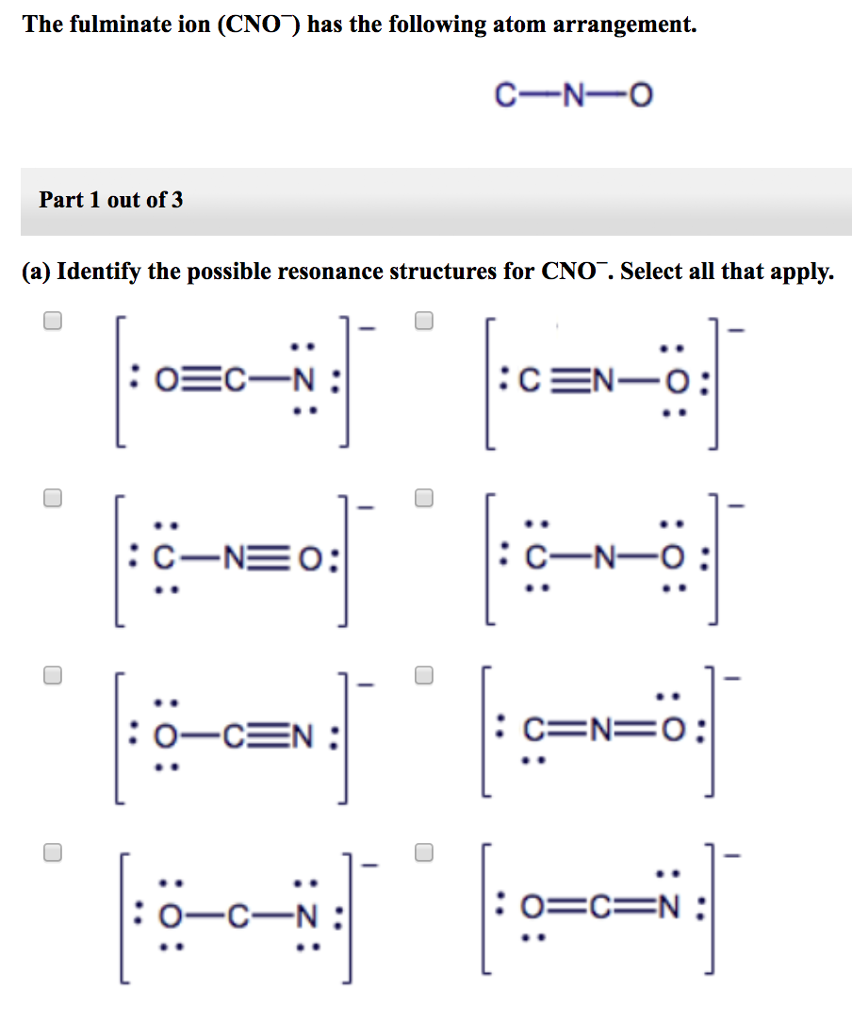
Cno Lewis Structure: A Key to Understanding Molecular Geometry
Ever tried to predict the molecular geometry of a compound but found yourself stumped by the complex rules of electron distribution? That’s where the Cno Lewis structure comes in handy. It’s a powerful tool for visualizing and predicting the arrangement of atoms in molecules based on their valence electrons. In my experience, mastering this technique can significantly simplify the process of understanding molecular structures.
Understanding the Basics
The Cno Lewis structure, named after its creator, Charles N. Oliver, is a method used to represent the valence electrons around each atom in a molecule. This structure helps us understand the bonding between atoms and the overall shape of the molecule. It involves drawing dots around the symbol of each atom to represent its valence electrons, which are the electrons involved in chemical bonding.
Steps to Draw a Cno Lewis Structure
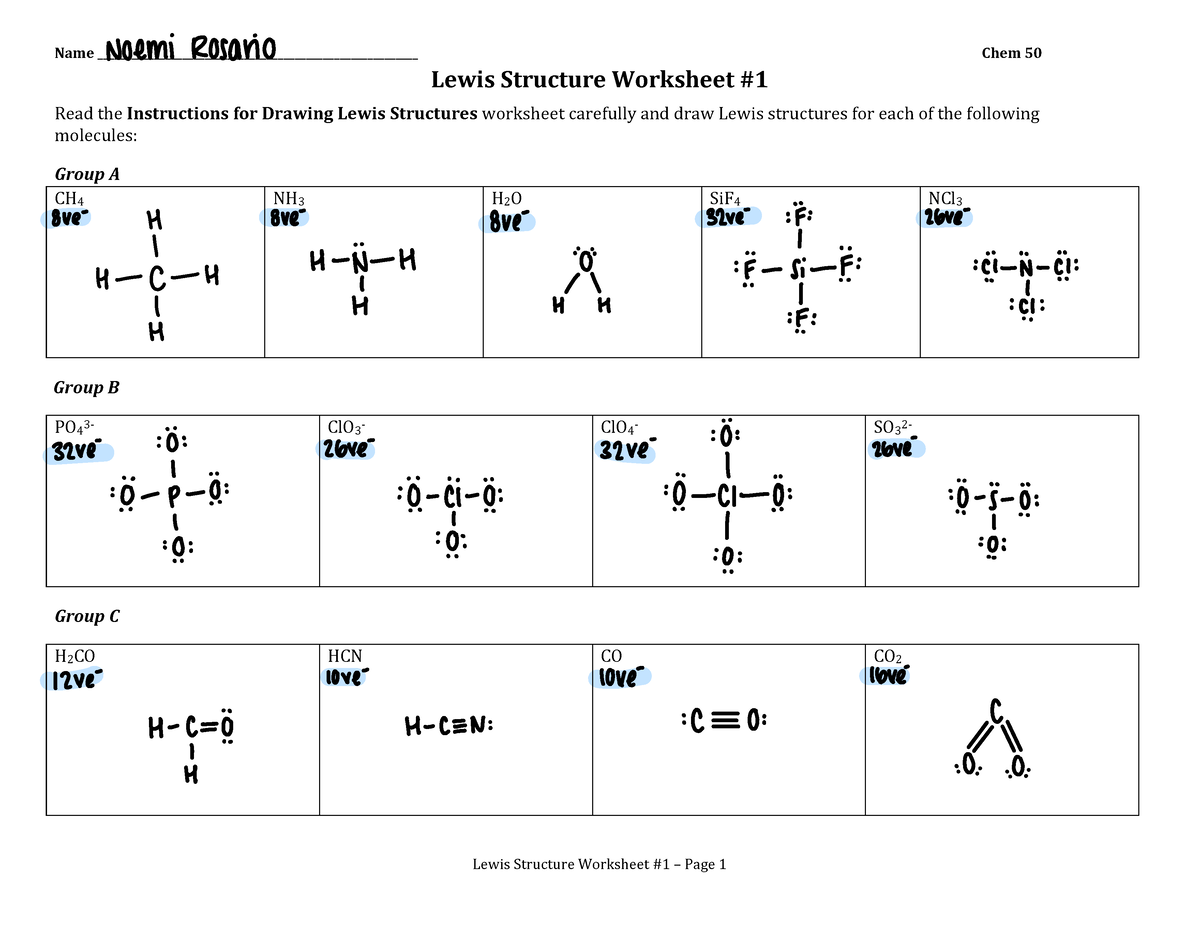
Let’s walk through the steps to draw a Cno Lewis structure for a simple example: water (H2O).
- First, determine the total number of valence electrons. Oxygen has 6 valence electrons, and each hydrogen has 1, so H2O has a total of 8 valence electrons.
- Place the atoms in a way that makes sense. Hydrogen atoms typically bond with other elements, so place the oxygen atom in the center and the hydrogen atoms on either side.
- Distribute the valence electrons around the atoms. Each hydrogen will have one dot, and the oxygen will have six dots. Arrange them so that each hydrogen has two electrons (one from each), and the oxygen has four lone pairs and one pair shared with each hydrogen.
- Check the octet rule. Each atom should have a full outer shell of electrons. If not, adjust the structure until all atoms satisfy the octet rule.
Practical Applications
Mastering Cno Lewis structures can provide insights into the behavior of molecules. For instance, understanding the structure of water can explain why it has unique properties such as high boiling point and surface tension. The bent shape of water molecules due to the lone pairs on the oxygen atom results in stronger hydrogen bonding, contributing to these properties.
In my experience, practicing with different molecules has helped me grasp the nuances of molecular geometry. For example, ammonia (NH3) has a trigonal pyramidal shape because the lone pair on the nitrogen atom causes the hydrogen atoms to be slightly pushed down, creating a pyramid-like structure.
Common Mistakes to Avoid
A common pitfall is not accounting for lone pairs correctly. Lone pairs occupy more space around an atom than bonding pairs, which can significantly affect the molecular shape. Always ensure that you distribute the electrons accurately to avoid misrepresenting the molecular geometry.
Note: Always double-check your structure against known molecular shapes to ensure accuracy.
Final Thoughts
While the Cno Lewis structure might seem daunting at first, it’s a valuable tool for understanding molecular geometry. By following the steps and practicing with various molecules, you can develop a deeper understanding of how atoms bond and arrange themselves in space. This knowledge is not only useful in chemistry but also in fields like biochemistry and materials science.
Next time you encounter a complex molecule, try breaking it down with a Cno Lewis structure. You might be surprised at how much clearer the picture becomes!
Related Terms:
- cno- lewis structure resonance
- lewis structure calculator
- lewis structure generator
- lewis structure practice problems
- lewis structure ppt
- lewis structure of so2