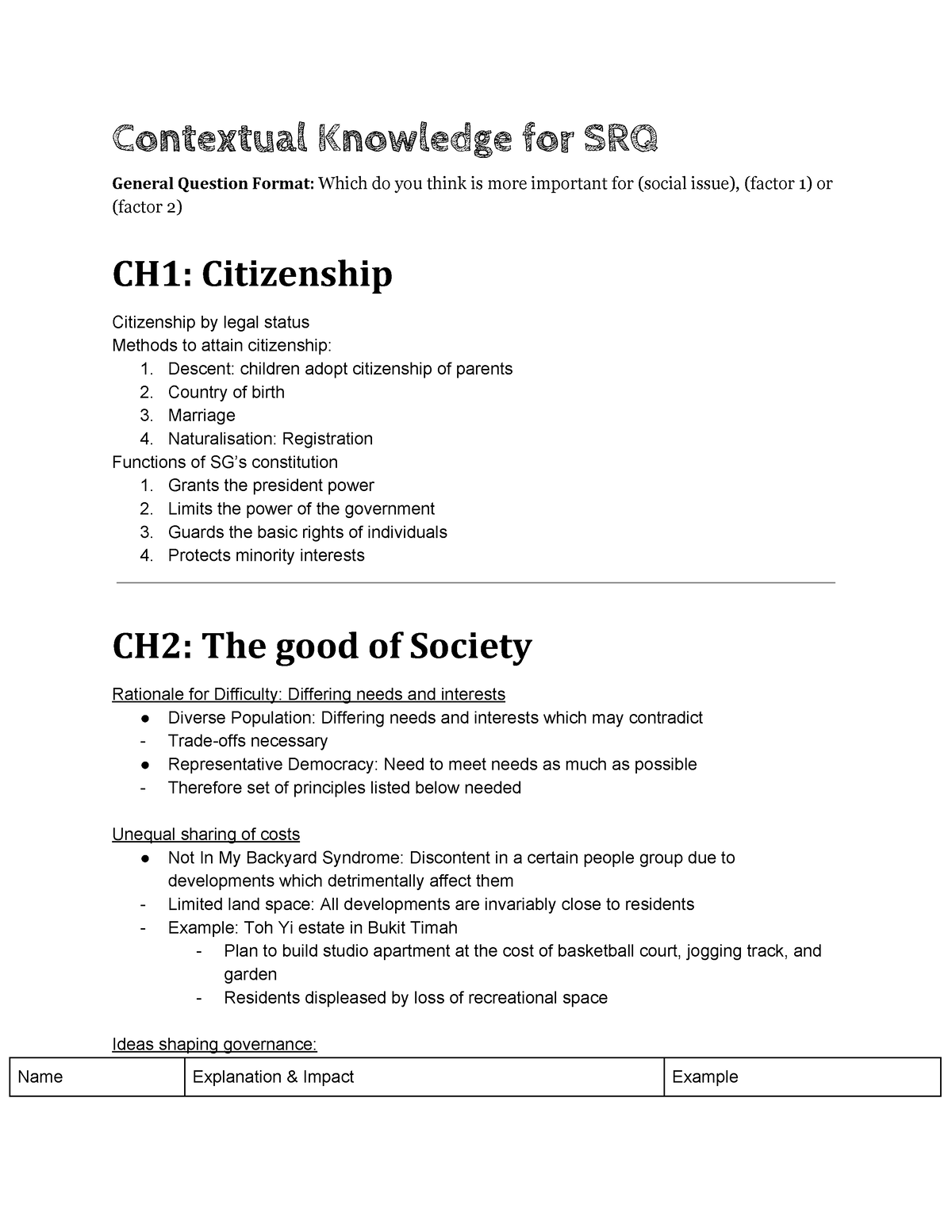
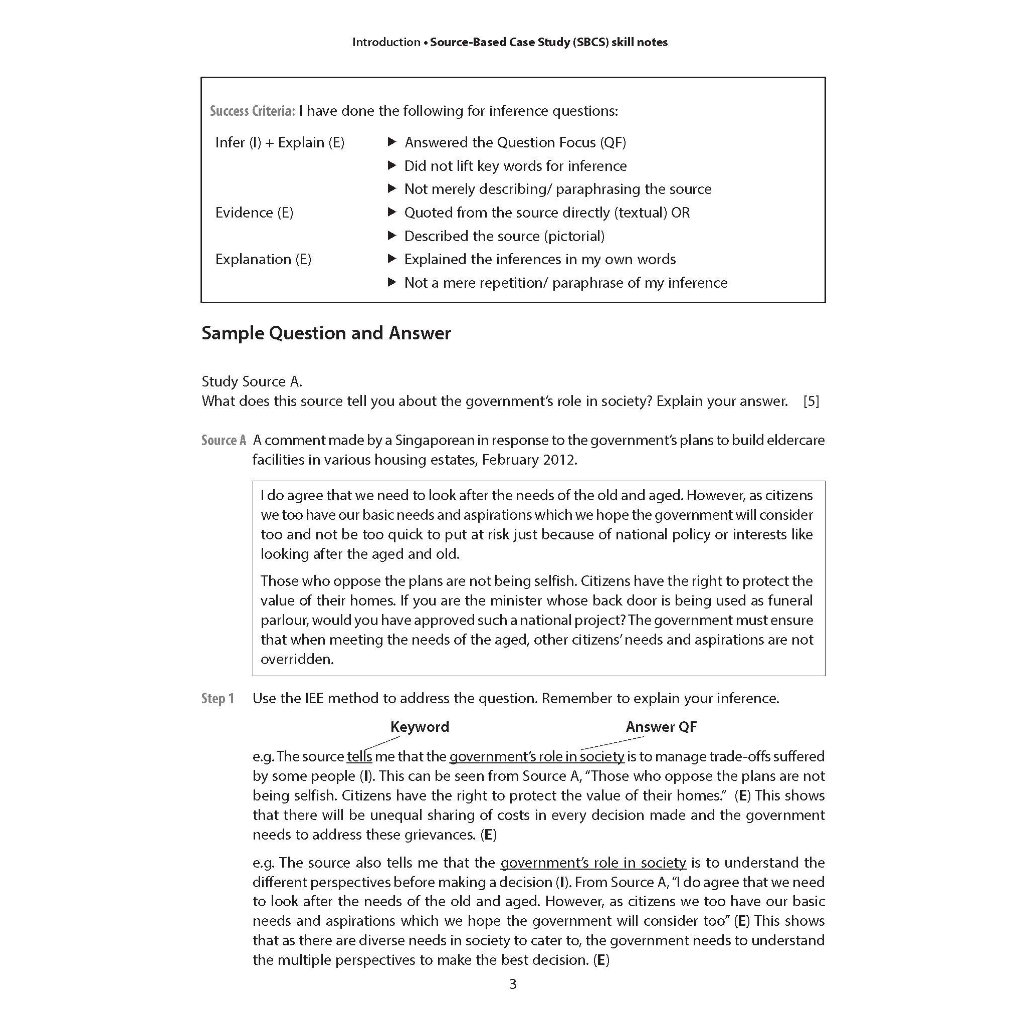
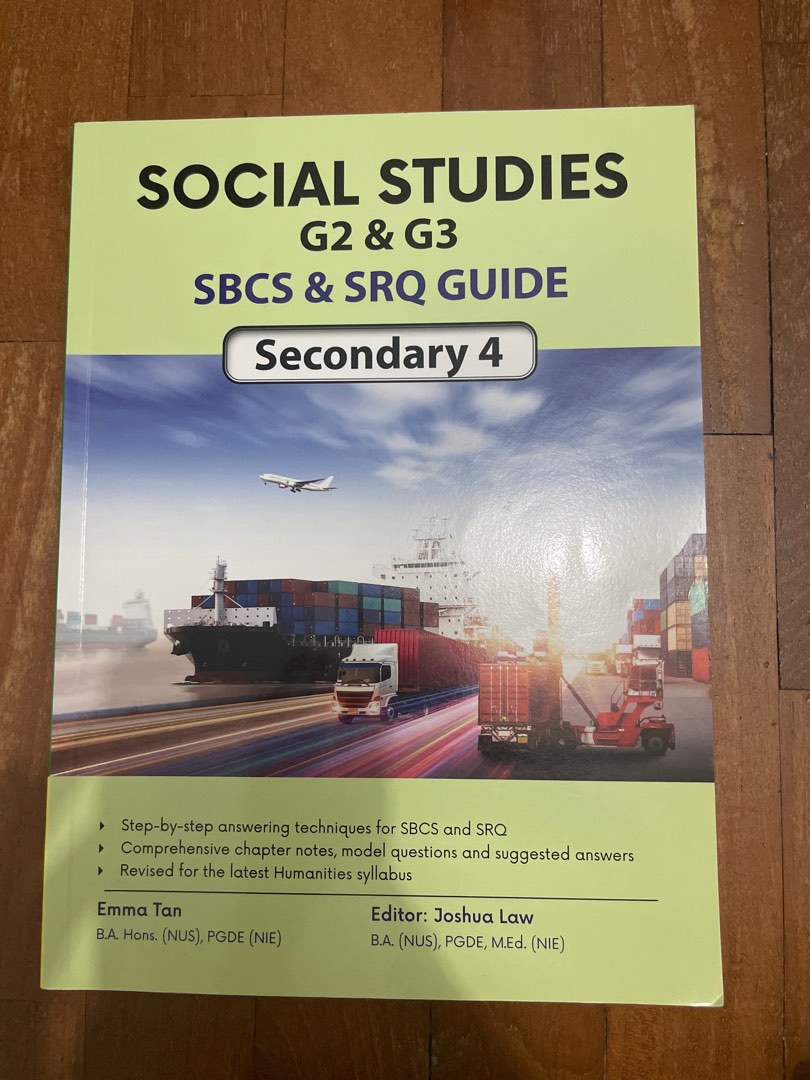
Have you ever struggled with Social Studies senior questions? I remember those days vividly when I was preparing for my exams. These questions often seemed complex and required a deep understanding of historical events, political systems, and cultural contexts. One of the most challenging aspects was knowing how to approach these questions effectively.
Understanding the Question
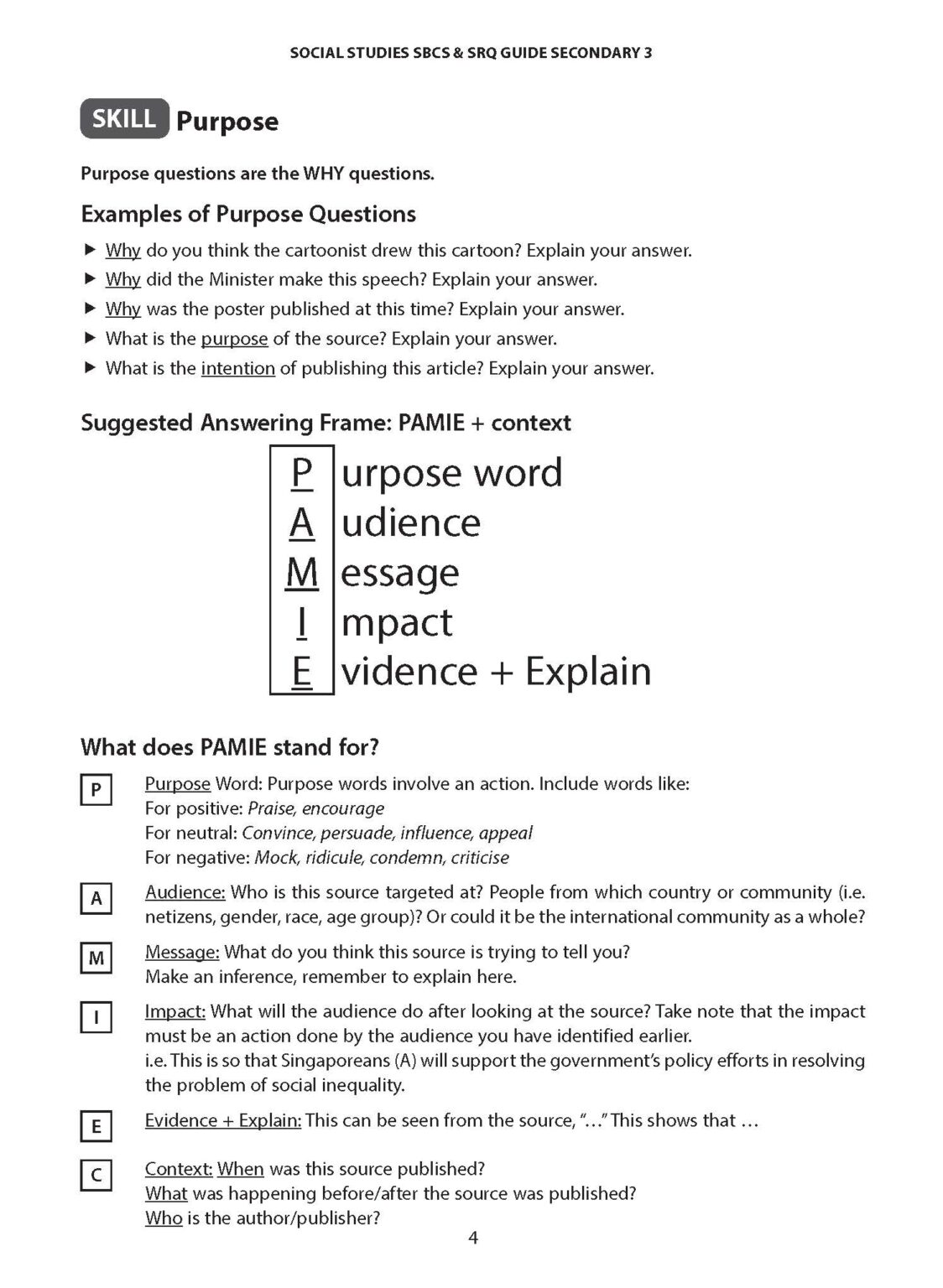
The first step in tackling Social Studies senior questions is to understand the question itself. Often, these questions are designed to test your ability to analyze and synthesize information. For example, a question might ask, “How did the Industrial Revolution impact the social structure in Europe?” To answer this, you need to break down the question and identify key elements such as the time period, the region, and the specific aspects of social structure to consider.
Research and Analysis
Once you have a clear understanding of the question, the next step is to conduct thorough research. This involves consulting various sources such as textbooks, academic journals, and reputable online resources. It’s important to gather evidence that supports your argument. For instance, when discussing the Industrial Revolution, you might look at population growth statistics, changes in labor laws, and shifts in class dynamics.
When I prepared for these questions, I found it helpful to create a timeline of key events and developments. This helped me visualize the sequence of events and their interconnections. Additionally, using cause-and-effect diagrams can be very effective in illustrating how different factors influenced each other.
Structuring Your Answer
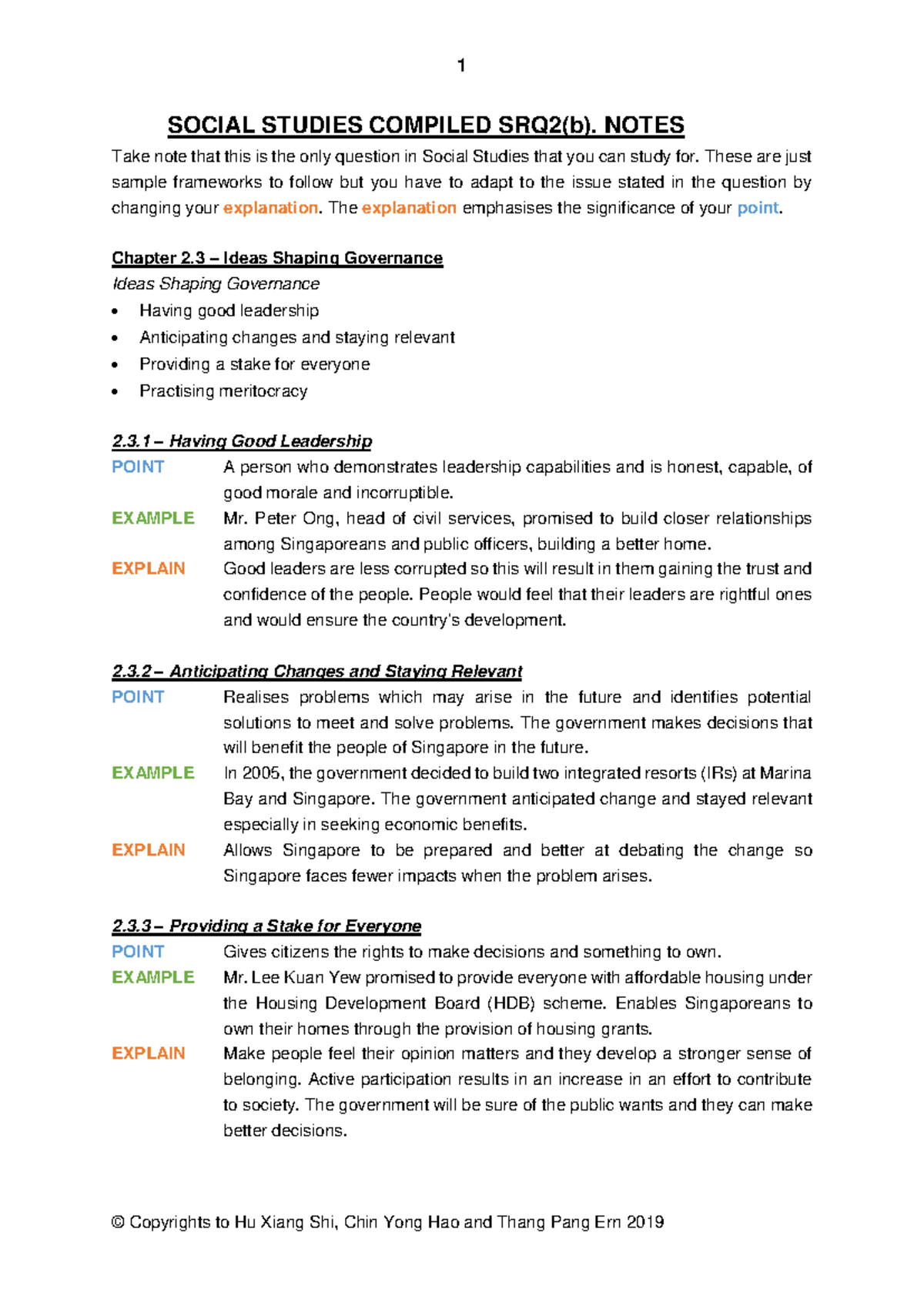
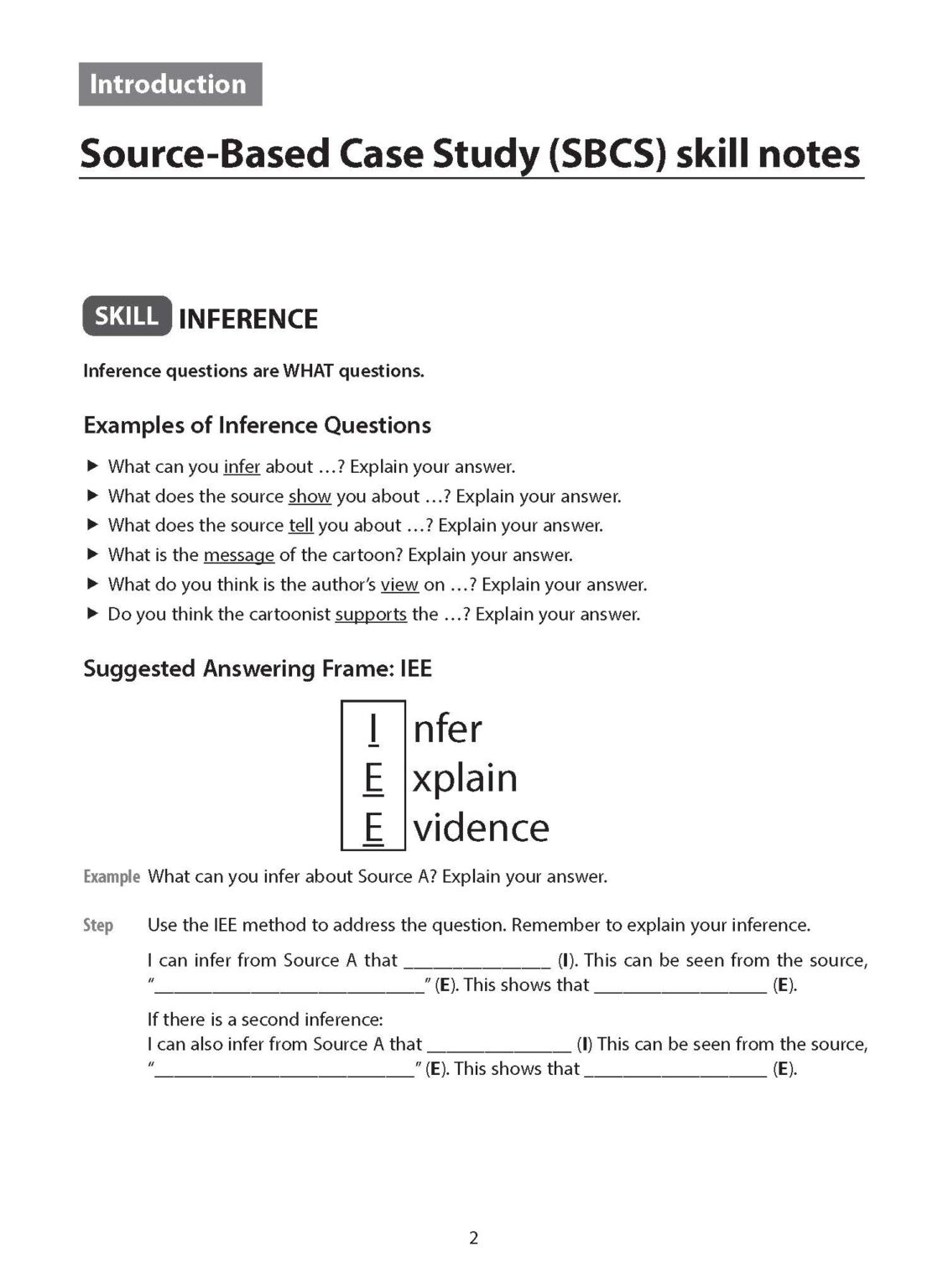
A well-structured answer is crucial in Social Studies. Start by introducing your main argument or thesis statement. Then, provide evidence to support your points, using examples and data from your research. Make sure to explain how each piece of evidence contributes to your overall argument.
For example, if you're answering a question about the impact of the Industrial Revolution on social structure, you might start with a brief introduction: "The Industrial Revolution significantly transformed European society by altering social structures and relationships." Then, you would proceed to discuss specific changes, such as the rise of the middle class and the decline of feudalism, supported by relevant data and examples.
Common Pitfalls and Tips
A common pitfall is providing too much background information without addressing the specific question. Always make sure that your answer stays focused on the key points. Another mistake is not providing enough evidence to support your arguments. Remember, in Social Studies, it’s not just about stating opinions; you need to back them up with facts and data.
A tip I found useful was to practice writing answers under timed conditions. This helps improve your speed and efficiency. Also, seek feedback from teachers or peers to get constructive criticism and refine your answers.
💡 Note: Don't forget to proofread your answers for clarity and coherence. Typos and grammatical errors can detract from your arguments.
Conclusion
Mastering Social Studies senior questions requires a combination of research, analysis, and clear structuring of your thoughts. By following these steps and avoiding common pitfalls, you can enhance your performance in exams. Remember, the goal is not just to pass but to truly understand the material and apply it effectively.
What strategies do you find helpful when dealing with these types of questions? Share your thoughts in the comments!
Related Terms:
- social studies srq questions pdf
- social studies srq questions grade
- social studies srq questions class
- social studies srq questions 3rd
- social studies srq questions 5th
- social studies srq sample questions